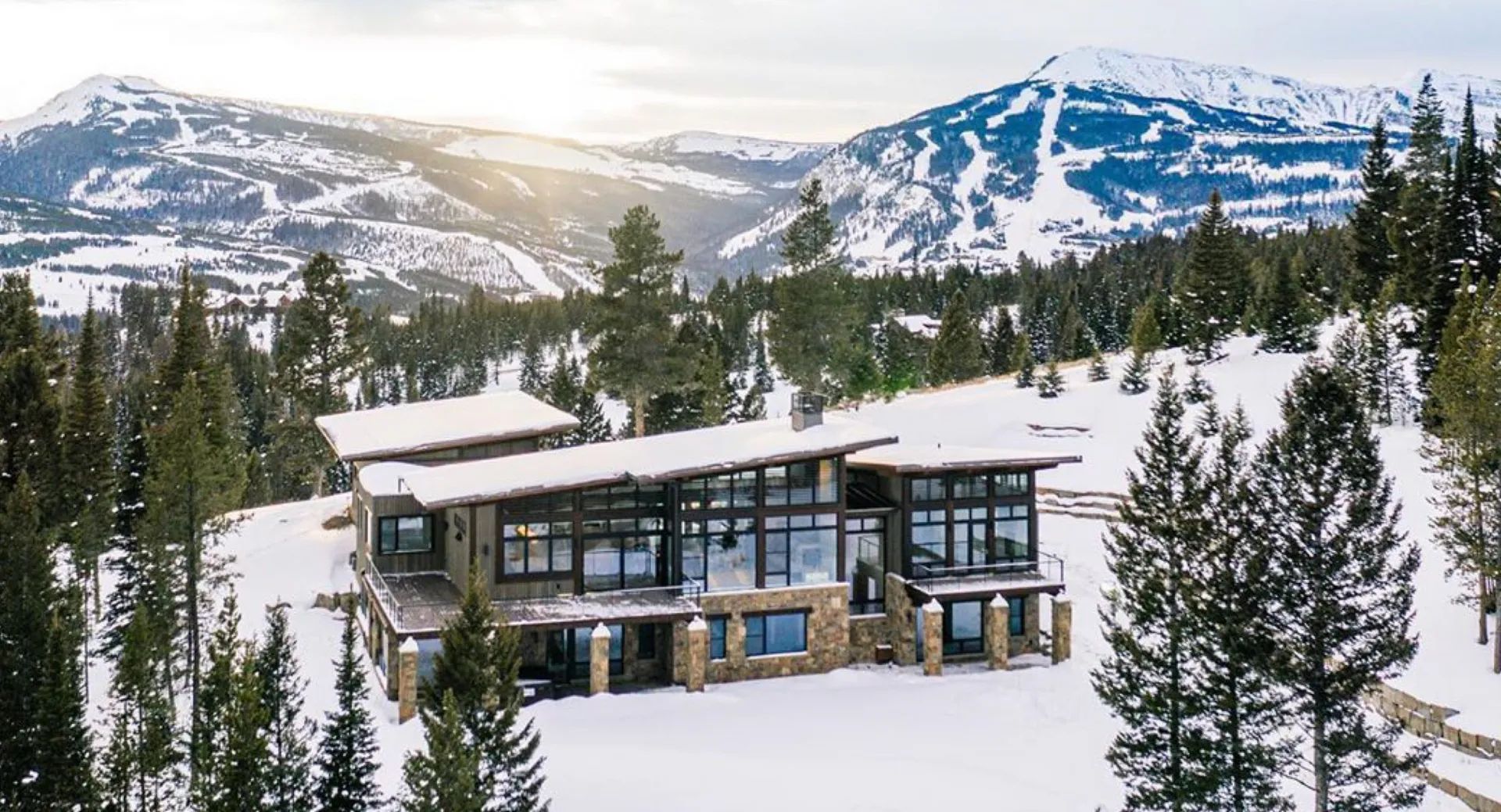
Top Innovative Ideas for Your New Home Design
Designing a new home is an exciting journey, filled with possibilities and opportunities to reflect your personality, lifestyle, and aspirations. In today’s dynamic housing market, homeowners are increasingly seeking designs that combine aesthetics, functionality, and sustainability, while also maximizing comfort, efficiency, and long-term value for modern living. Whether building a cozy family residence or a modern architectural marvel, innovative ideas can transform a basic blueprint into a home that is both beautiful and highly livable. From smart technology integration to eco-friendly construction practices and creative space planning, the options are vast, and making informed decisions early in the design process is critical to achieving a home that truly meets your needs and expectations.
The relevance of innovative home design extends beyond visual appeal and superficial trends. Thoughtful design improves energy efficiency, enhances comfort, optimizes space utilization, and increases the long-term value of your property. Moreover, as trends evolve rapidly, homeowners are prioritizing spaces that support remote work, wellness, entertainment, and social gatherings. This makes it essential to explore creative solutions that blend modern conveniences with timeless functionality and sustainable practices. In this blog, we will explore a range of forward-thinking concepts and strategies for your new home design, providing actionable insights, practical advice, and real-world examples to inspire your project. By considering these ideas, you can ensure your new home is not only stylish but also future-ready, adaptable, and personalized to your unique lifestyle.
1. Maximizing Space with Smart Layouts
- Open Floor Plans with Purpose:- Open floor plans continue to dominate modern home design because they create a sense of spaciousness and enhance natural light flow. However, the true innovation lies in purposeful zoning. Instead of leaving the space completely undefined, consider incorporating subtle partitions, sliding doors, or half-walls to differentiate living, dining, and kitchen areas without compromising openness. For example, a retractable glass partition between the kitchen and living area can create privacy when hosting dinner parties while maintaining connectivity on casual days.
- Multi-Functional Rooms:- Homes today require flexibility. A single room can serve multiple functions if designed thoughtfully. For instance, a home office can double as a guest bedroom with a foldable desk and a Murphy bed. Similarly, a playroom for children can be converted into a media lounge or gym as the family’s needs evolve. Designing with adaptability in mind allows homeowners to maximize utility without expanding the footprint, reducing construction costs while increasing functionality.
- Vertical Space Utilization:- Innovative home design often involves thinking upward. Lofted areas, mezzanines, and built-in shelving systems allow homeowners to use vertical space effectively. A bedroom loft can double as a reading nook or a workspace, while high ceilings can accommodate storage solutions that maintain clutter-free living areas. By integrating vertical elements, you create a layered design that feels spacious yet organized.
2. Sustainable and Eco-Friendly Design
Energy-Efficient Systems
Sustainability is no longer optional; it is a key consideration in modern home design. Energy-efficient appliances, LED lighting, and smart thermostats significantly reduce long-term utility costs. Incorporating solar panels or geothermal heating can further minimize energy dependence while contributing to environmental conservation. For example, homes with south-facing roofs can maximize solar panel efficiency, producing substantial energy savings annually.
Eco-Friendly Materials
The choice of construction materials impacts both sustainability and indoor health. Bamboo flooring, recycled wood, low-VOC paints, and sustainably sourced insulation are excellent options that reduce the environmental footprint. In addition to being eco-friendly, these materials often provide long-term durability and aesthetic appeal. For instance, reclaimed wood beams can serve as a focal design feature while promoting environmental responsibility.
Water Conservation Solutions
Innovative water management enhances a home’s sustainability. Rainwater harvesting systems, greywater recycling, and low-flow fixtures reduce water consumption while supporting eco-conscious living. A strategically designed landscape using native plants can further minimize irrigation needs. Incorporating these solutions not only supports sustainable living but also lowers operational costs over time.
3. Integrating Smart Home Technology
- Home Automation for Convenience:- Smart home technology is revolutionizing how homeowners interact with their living spaces. Automated lighting, thermostats, and security systems improve convenience, energy efficiency, and safety. For example, motion-sensor lights in hallways or smart locks on entry doors provide both practical functionality and peace of mind. Integration with mobile apps allows homeowners to monitor and control their homes remotely, adding a layer of modern sophistication to everyday living.
- Voice-Activated and AI Systems:- Voice assistants and AI-enabled devices can manage home entertainment, lighting, and even climate control. Imagine waking up to lights gradually brightening, curtains opening, and your preferred coffee brewing automatically. These systems offer personalized convenience, especially in large homes where manual adjustments may be time-consuming.
- Security and Monitoring Innovations:- Advanced home security goes beyond cameras and alarms. Smart sensors can detect motion, water leaks, or temperature fluctuations, sending real-time alerts to your phone. Integrating these systems with AI allows predictive maintenance and threat detection, ensuring the home is both secure and efficient. In modern home design, blending technology seamlessly with interior aesthetics is essential to maintaining elegance without sacrificing innovation.
4. Designing for Wellness and Comfort
Natural Light and Ventilation
Incorporating large windows, skylights, and strategically placed openings enhances natural light and ventilation, significantly impacting well-being. Sunlight regulates circadian rhythms and promotes a healthier lifestyle, while cross-ventilation reduces indoor air pollutants. For instance, installing floor-to-ceiling windows in living areas can create a connection with nature, enhancing mental well-being and overall comfort.
Indoor-Outdoor Living Spaces
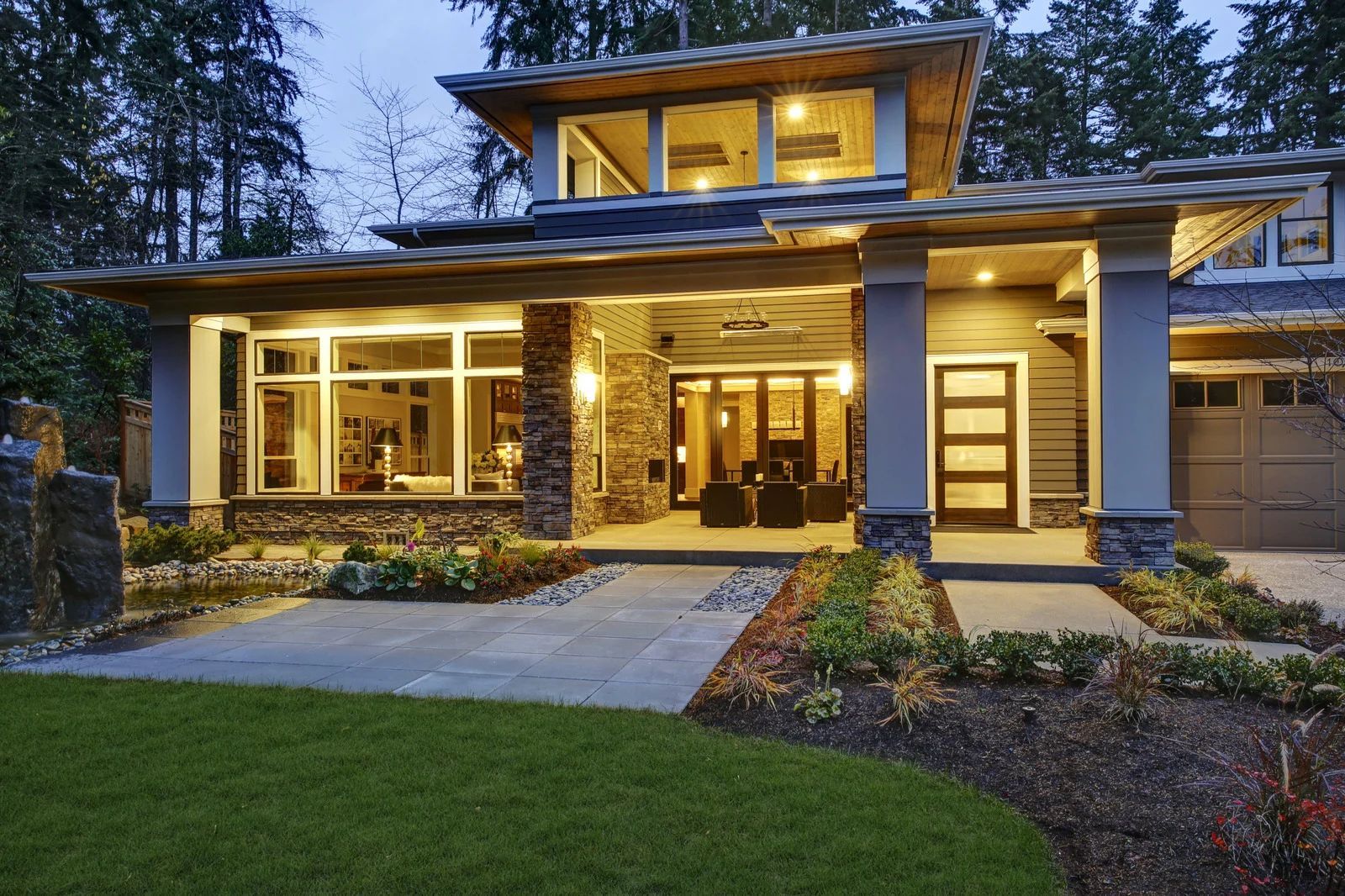
Blurring the line between indoor and outdoor areas is a growing trend in modern home design. Outdoor kitchens, patios, and garden rooms expand living space while promoting relaxation and social interaction. A well-designed deck or sunroom can serve as a versatile area for dining, exercise, or entertainment, fostering a seamless connection to the natural environment.
Acoustic and Thermal Comfort
Beyond aesthetics, innovative home design focuses on comfort through acoustic and thermal considerations. Soundproofing materials, insulated windows, and advanced HVAC systems maintain ideal indoor conditions. This is especially important in urban areas where noise pollution is a concern. Ensuring thermal and acoustic comfort creates a home environment conducive to relaxation, productivity, and long-term satisfaction.
5. Incorporating Unique Aesthetic Elements
- Statement Architectural Features:- Modern homes increasingly feature unique architectural details that create visual interest. Floating staircases, feature walls, and dramatic ceilings can serve as focal points while complementing the overall design. For example, a double-height living room with a mezzanine balcony provides grandeur without sacrificing intimacy, demonstrating how form and function can coexist harmoniously.
- Custom Finishes and Materials:- Personalized finishes add character and individuality to a home. Custom cabinetry, bespoke lighting fixtures, and textured wall panels allow homeowners to reflect their taste and lifestyle. Using a mix of materials, such as metal, wood, and glass, can create dynamic contrasts that enhance the home’s aesthetic appeal. Expert designers often blend modern minimalism with natural textures to create warm yet contemporary spaces.
- Artistic and Experiential Spaces:- Designing spaces that evoke emotions or experiences can elevate a home beyond basic functionality. Home art studios, music rooms, or immersive libraries create personalized retreats for creativity and relaxation. For instance, a sunken reading nook with ambient lighting can transform a corner into a cherished sanctuary. Incorporating artistic elements ensures that the home resonates with the lifestyle and passions of its occupants.
6. Planning for Future Adaptability
Flexible Expansion Options
Homes should be designed with future needs in mind. Planning for potential expansions, such as additional rooms or basement conversions, prevents costly renovations later. A modular design approach allows homeowners to adapt the layout as family needs evolve, ensuring long-term functionality.
Aging-in-Place Considerations
Innovative home design also accounts for accessibility and aging-in-place. Wider doorways, zero-step entries, and strategically placed bathrooms improve mobility and safety for all life stages. Planning these features during the initial construction phase is more cost-effective than retrofitting them later.
Smart Storage Solutions
Future-ready homes prioritize efficient storage. Built-in cabinets, under-stair storage, and hidden closets help maintain clutter-free spaces. By anticipating storage needs and incorporating versatile solutions, homeowners can ensure that their home remains organized, functional, and adaptable for years to come.
Integrating Creativity, Functionality, and Sustainability Seamlessly
Innovative home design is more than following trends; it is about creating a living environment that reflects personal values, supports a modern lifestyle, and anticipates future needs. By integrating smart layouts, sustainable practices, advanced technology, wellness-focused features, aesthetic uniqueness, and adaptability, homeowners can achieve a residence that is both practical and inspirational. Each element, when thoughtfully applied, enhances comfort, efficiency, and long-term value, ensuring that the home remains a source of pride and satisfaction for its occupants.
At Copper River Homes, we bring over 15
years of expertise in crafting personalized and innovative homes in Spokane, Washington. Our team combines architectural vision, skilled craftsmanship, and a deep understanding of client needs to deliver homes that stand out for quality, design, and functionality. We guide homeowners through every stage, from conceptual planning to completion, ensuring each project reflects individual style and lifestyle requirements. With Copper River Homes, your dream home is not just built—it is expertly designed, meticulously crafted, and thoughtfully realized to create lasting value and comfort.