
Essential Tips for Designing Your New Home Build

December 22, 2025

Designing a new home is one of the most significant investments you will make in your lifetime, both financially and emotionally. The process goes beyond choosing paint colors or flooring materials; it requires careful planning, strategic decision-making, and thoughtful consideration of long-term lifestyle needs. A well-designed home not only provides comfort and functionality but also reflects your personality and values. From layout planning to energy efficiency, every design decision contributes to creating a space that supports daily life while accommodating future growth.


The importance of proper planning in home design cannot be overstated. Poorly considered layouts or inefficient use of space can lead to costly renovations and frustrating living conditions. Conversely, a home built with deliberate attention to detail ensures efficiency, aesthetic appeal, and adaptability. Whether you are a first-time homeowner or have prior construction experience, understanding key principles in home design can help you make informed decisions and maximize your investment. This guide offers practical, expert-driven tips to help you navigate the complexities of designing a new home build, ensuring that your dream home is functional, stylish, and built to stand the test of time.

1. Establish Clear Goals and Priorities

  • Define Your Lifestyle Needs:- Before diving into architectural plans or material selection, it is crucial to understand your lifestyle and household requirements thoroughly. Consider how many bedrooms and bathrooms you need, your desired living spaces, and any future expansion plans carefully. For instance, a growing family might prioritize a large open-concept kitchen and play area for children, whereas empty-nesters may focus on accessible designs and low-maintenance spaces that require minimal upkeep over time.


  • Determine Must-Haves vs. Nice-to-Haves:- Distinguishing essential features from optional upgrades helps prevent budget overruns and ensures long-term satisfaction. List your must-have elements, such as energy-efficient appliances, storage solutions, or dedicated workspaces, and then identify features that enhance comfort but are not critical for daily living. This clarity will guide conversations with your architect or builder effectively, ensuring your home meets your core needs without unnecessary costs or complications during construction.


  • Set a Realistic Budget:- Budgeting is integral to successful home design and helps avoid financial surprises later in the process. Break down costs into categories such as land acquisition, construction, permits, interior finishes, and landscaping to understand overall expenses comprehensively. Include a contingency of 10–15% for unforeseen issues or design adjustments. By establishing financial parameters early, you can make informed choices about materials, design complexity, and energy-efficient systems without compromising quality or overspending unnecessarily.

2. Optimize Layout and Space Planning

  • Emphasize Functional Flow

    A home’s layout dictates how efficiently spaces interact with one another and impacts daily comfort significantly. Prioritize connectivity between commonly used areas, like the kitchen, dining room, and living spaces, for smoother movement. Consider traffic patterns and accessibility carefully; narrow corridors, awkward transitions, or poorly located bathrooms can reduce comfort and usability considerably for residents and guests.

  • Incorporate Multi-Functional Spaces

    Modern homes often require flexible spaces that serve multiple purposes and adapt over time. A guest bedroom doubling as a home office or a basement converted into a family entertainment area enhances usability without increasing square footage. Multi-functional spaces also provide adaptability as lifestyle needs evolve over time, making them practical investments for long-term functionality and overall convenience.

  • Maximize Natural Light and Ventilation

    Strategically placing windows, skylights, and ventilation points improves indoor air quality and energy efficiency throughout the home. South-facing windows can provide passive solar heating in colder climates, while well-planned cross-ventilation reduces reliance on mechanical cooling systems during warmer months. Natural light not only elevates aesthetics but also enhances occupant well-being and creates a more inviting, pleasant living environment for everyone.

  • Include Ample Storage

    Underestimating storage needs is a common mistake in new home design and can lead to cluttered spaces. Incorporate closets, pantries, cabinetry, and built-in storage solutions to maintain clutter-free living areas effectively. Adequate storage improves organization, simplifies daily routines, and extends the functional life of your spaces by keeping everything neatly arranged and easily accessible.

3. Choose Materials and Finishes Wisely

  • Prioritize Durability and Maintenance:- Selecting materials that withstand daily use and environmental conditions ensures longevity and reduces long-term upkeep costs for homeowners. For example, engineered hardwood or high-quality vinyl flooring may offer better durability than traditional hardwood in high-traffic areas. Similarly, quartz countertops resist stains and scratches, providing lasting functionality in kitchens and bathrooms while maintaining a polished, attractive appearance over time.


  • Balance Aesthetics and Functionality:- While style is important, functionality should never be compromised when selecting finishes and fixtures for your home. Aesthetic choices, such as sleek cabinetry or modern light fixtures, should complement the practical use of the space effectively. Choosing finishes that align with your daily habits—for example, easy-to-clean tile in entryways or mudrooms—can prevent frequent maintenance headaches and save valuable time over the years.


  • Consider Sustainable Options:- Eco-friendly materials contribute to long-term cost savings, durability, and environmental responsibility. Options like bamboo flooring, recycled glass countertops, and low-VOC paints reduce environmental impact while promoting healthier indoor air quality. Additionally, energy-efficient windows, proper insulation, and sustainable construction techniques improve thermal performance and lower heating and cooling expenses for a more environmentally conscious home.

4. Focus on Energy Efficiency and Sustainability

  • Invest in Efficient Systems

    Energy-efficient HVAC systems, water heaters, and lighting reduce utility costs and enhance comfort throughout the year. Modern homes can integrate smart thermostats, programmable lighting, and energy-monitoring systems to optimize usage and identify inefficiencies early, which contributes to long-term energy savings and improved operational efficiency.

  • Incorporate Passive Design Principles

    Passive design strategies leverage natural elements to maintain comfortable indoor temperatures while minimizing energy consumption. Proper orientation of windows, insulation placement, shading devices, and roof overhangs can reduce reliance on mechanical systems significantly. This approach not only saves energy but also improves overall sustainability and environmental performance of the home in the long run.

  • Water Management and Conservation

    Incorporate water-saving fixtures, rainwater harvesting systems, and drought-resistant landscaping to reduce overall water consumption effectively. For example, low-flow faucets and dual-flush toilets can significantly cut household water usage, while permeable paving reduces runoff and protects the local ecosystem, contributing to long-term environmental sustainability and efficiency.

  • Long-Term Environmental Benefits

    Energy-efficient and sustainable design choices enhance resale value and contribute to a healthier living environment for residents. Homes designed with sustainability in mind typically enjoy lower operational costs, reduced environmental impact, and appeal to environmentally conscious buyers, ensuring a future-proof investment that performs well financially and ecologically.

5. Personalize Your Home Design

  • Reflect Your Style and Preferences:- Your home should embody your personality and lifestyle, creating a space that feels uniquely yours. From color schemes and lighting to furniture layouts and architectural features, personalization adds individuality to every room. Consider statement elements like feature walls, custom cabinetry, or bespoke lighting to enhance character and make the home truly reflect your tastes and design preferences.


  • Plan for Lifestyle Integration:- Incorporate design elements that support hobbies, work, or social activities seamlessly into your home layout. Home gyms, craft rooms, or outdoor entertaining areas can enhance day-to-day life and overall satisfaction. Planning these spaces during the design phase is far more cost-effective than retrofitting them later, saving money, time, and effort in the long run.


  • Balance Trends with Timelessness:- While design trends offer inspiration, relying solely on them may result in a dated look in a few years. Integrate timeless architectural elements and classic finishes with modern touches to maintain a stylish, functional home that ages gracefully and remains appealing and comfortable for many years to come.

6. Collaborate with Experts

  • Work Closely with Architects and Builders

    Professional guidance ensures that your vision is structurally feasible, code-compliant, and efficiently executed without unexpected delays. Architects can translate ideas into practical designs, while experienced builders offer insights on construction techniques, cost-effective material choices, and problem-solving strategies, helping your home achieve the highest level of quality.

  • Seek Input on Technical Details

    Engage experts for specialized systems like HVAC, electrical, and plumbing to avoid potential issues later in the project. Early collaboration prevents costly redesigns, ensures seamless integration of complex systems, and guarantees that all technical elements are installed correctly, functioning efficiently, and meeting building standards.

  • Utilize 3D Modeling and Visualization Tools

    Modern technology allows homeowners to visualize layouts, finishes, and lighting in a digital environment before construction begins. 3D modeling helps detect potential issues early, refine design choices, and communicate expectations clearly with contractors, reducing errors and enhancing overall project efficiency while providing peace of mind.

Planning Thoughtfully Ensures Long-Term Success

Designing a new home requires a balance of creativity, practicality, and foresight. From establishing clear goals and optimizing space planning to selecting durable materials and integrating energy-efficient systems, each decision shapes your home’s functionality, comfort, and longevity. Thoughtful personalization ensures your living spaces align with lifestyle needs while reflecting your style. Collaborating with experts, leveraging technology, and planning for sustainability further enhance the efficiency and quality of the build, ultimately resulting in a home that delivers long-term value.


At Copper River Homes, based in Spokane, Washington, we bring over 15 years of experience in guiding homeowners through the intricacies of new home construction. Our team is dedicated to transforming your vision into a thoughtfully designed, high-quality home. By prioritizing collaboration, attention to detail, and industry expertise, Copper River Homes ensures every project meets the highest standards of craftsmanship and functionality. We focus on creating homes that are not only beautiful but also efficient, durable, and perfectly suited to your lifestyle.

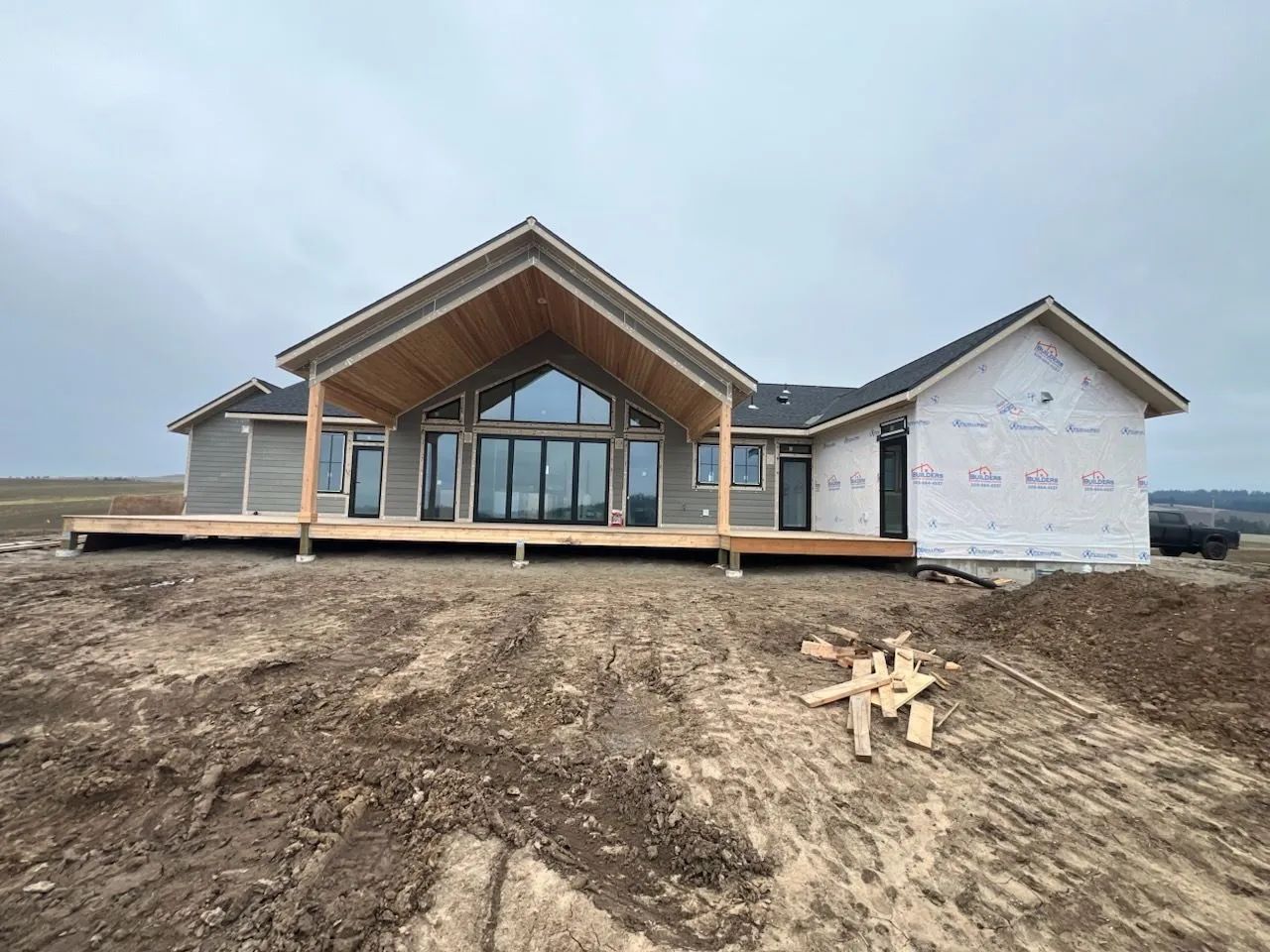
A house under construction on a dirt mound with a large deck and exposed wood framing.
February 19, 2026
Building a new home is an exciting milestone, but it’s also a complex process that requires careful planning, coordination, and patience. Understanding what to expect at every stage of construction can help homeowners navigate the journey with confidence, reduce stress,
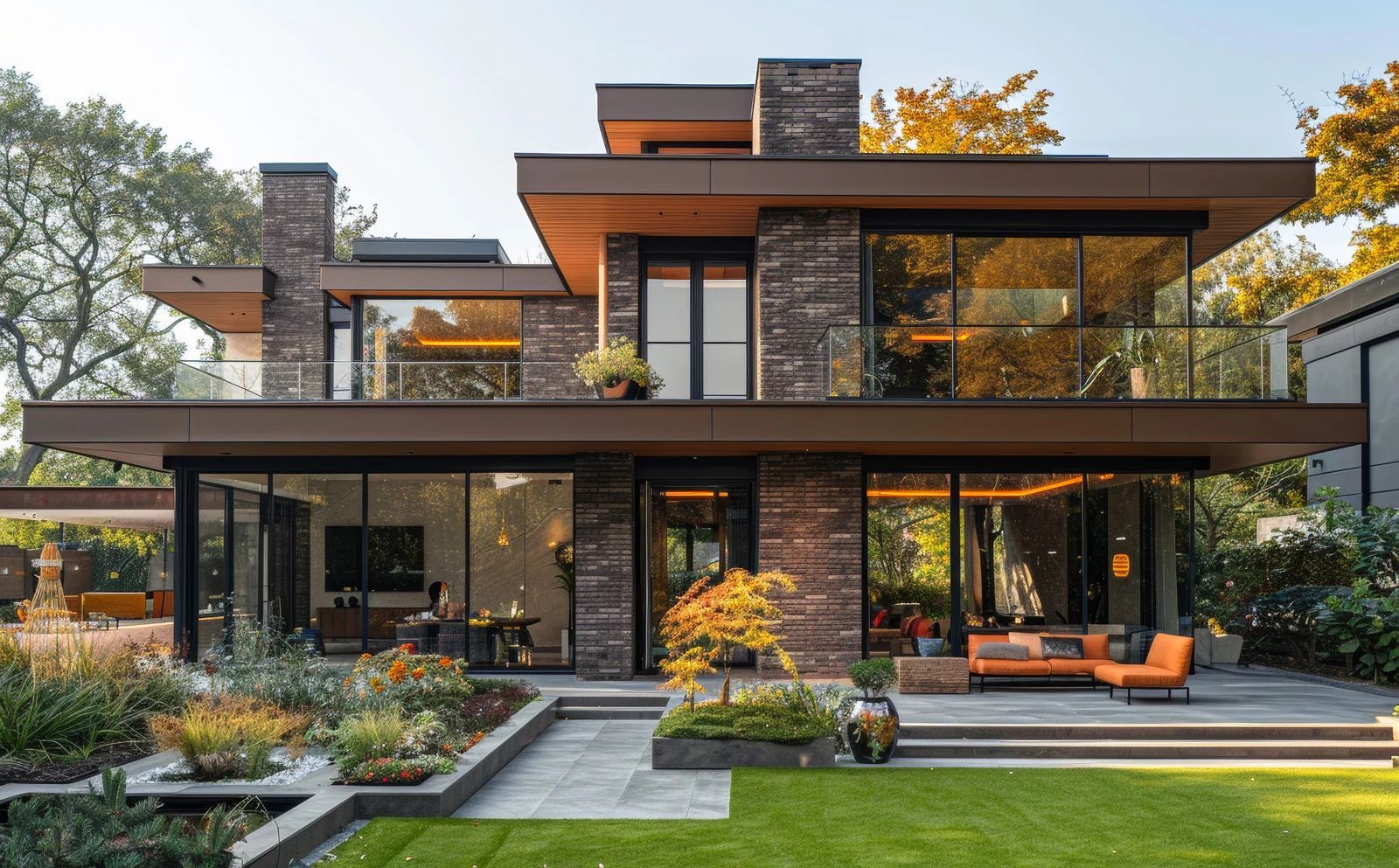
Modern two-story house with glass walls, brown accents, and a landscaped yard with green grass and a patio.
January 16, 2026
Designing a new home is an exciting journey, filled with possibilities and opportunities to reflect your personality, lifestyle, and aspirations. In today’s dynamic housing market, homeowners are increasingly seeking designs that combine aesthetics, functionality,
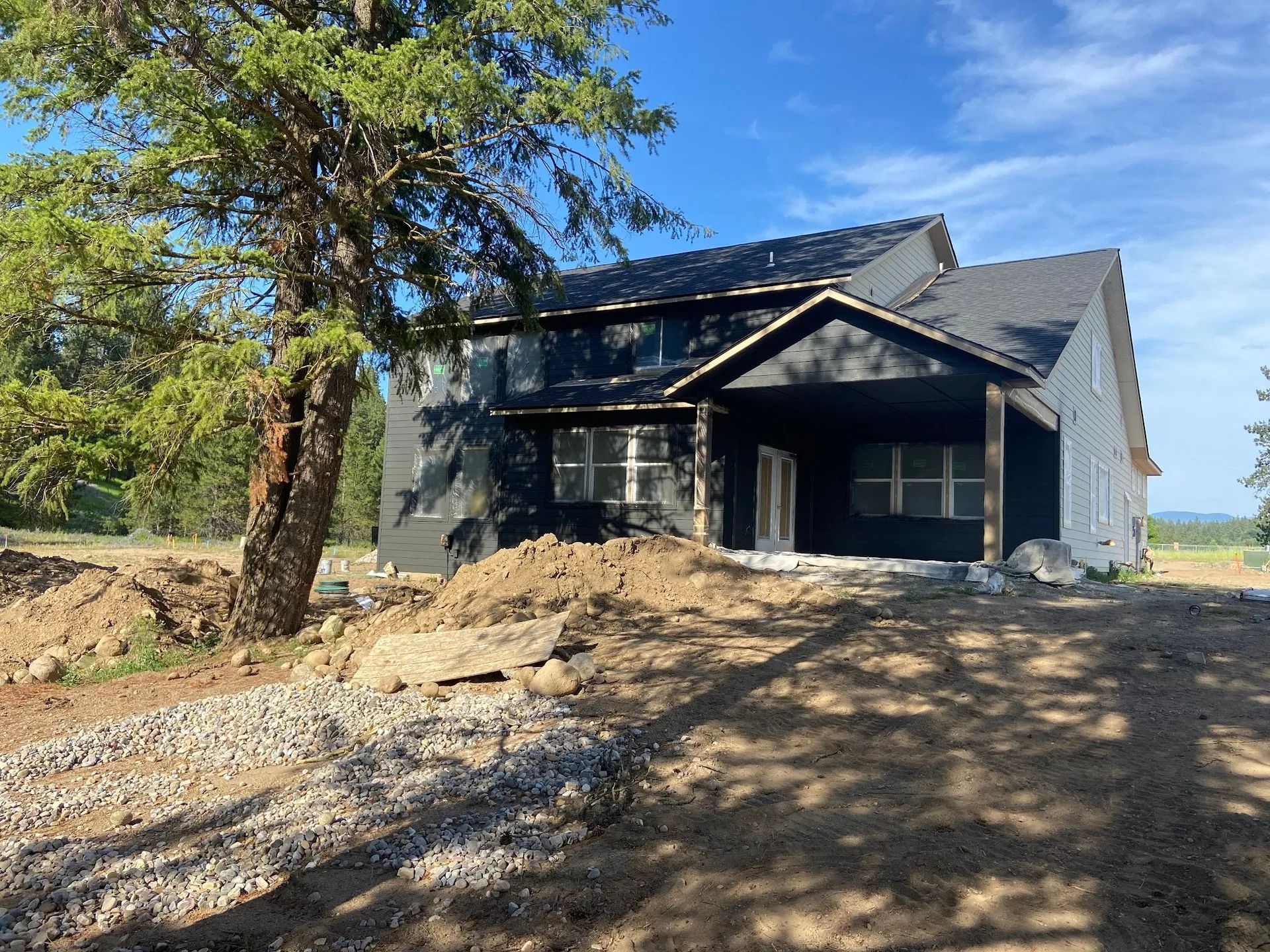
New two-story house under construction with black siding, porch, and a gravel driveway.
November 29, 2025
Building a custom home is one of the most exciting milestones for any homeowner, offering a chance to design a space that reflects personal taste, lifestyle, and long-term goals. However, the process is rarely simple.
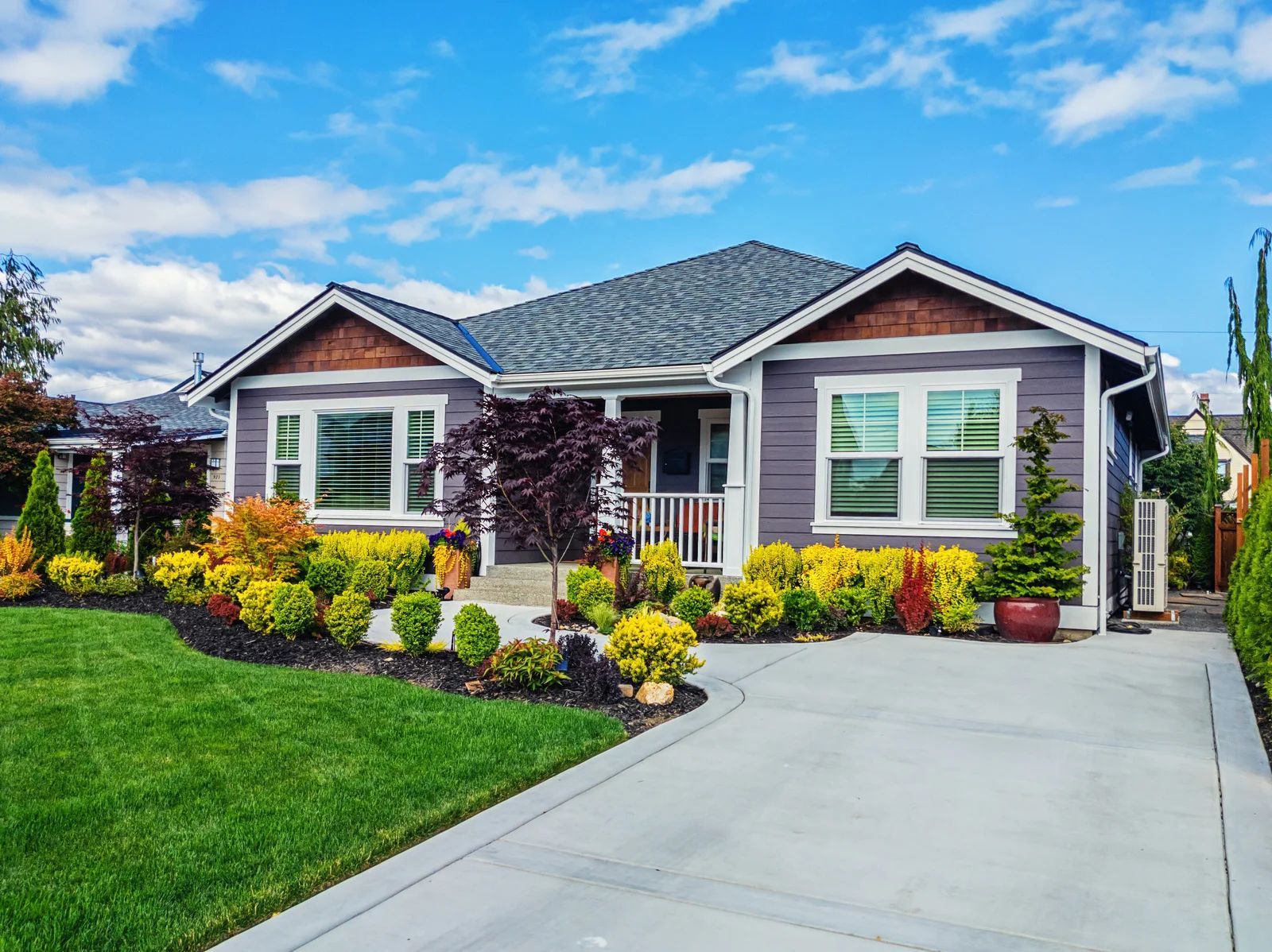
Purple bungalow with white trim, a concrete driveway, and a landscaped front yard on a sunny day.
October 16, 2025
When it comes to finding your dream home, the choice between a custom build and a pre-built house can shape your lifestyle for years to come. While pre-built homes offer convenience, custom homes open the door to personalization, innovation, and a long-term investment that truly reflects your vision.
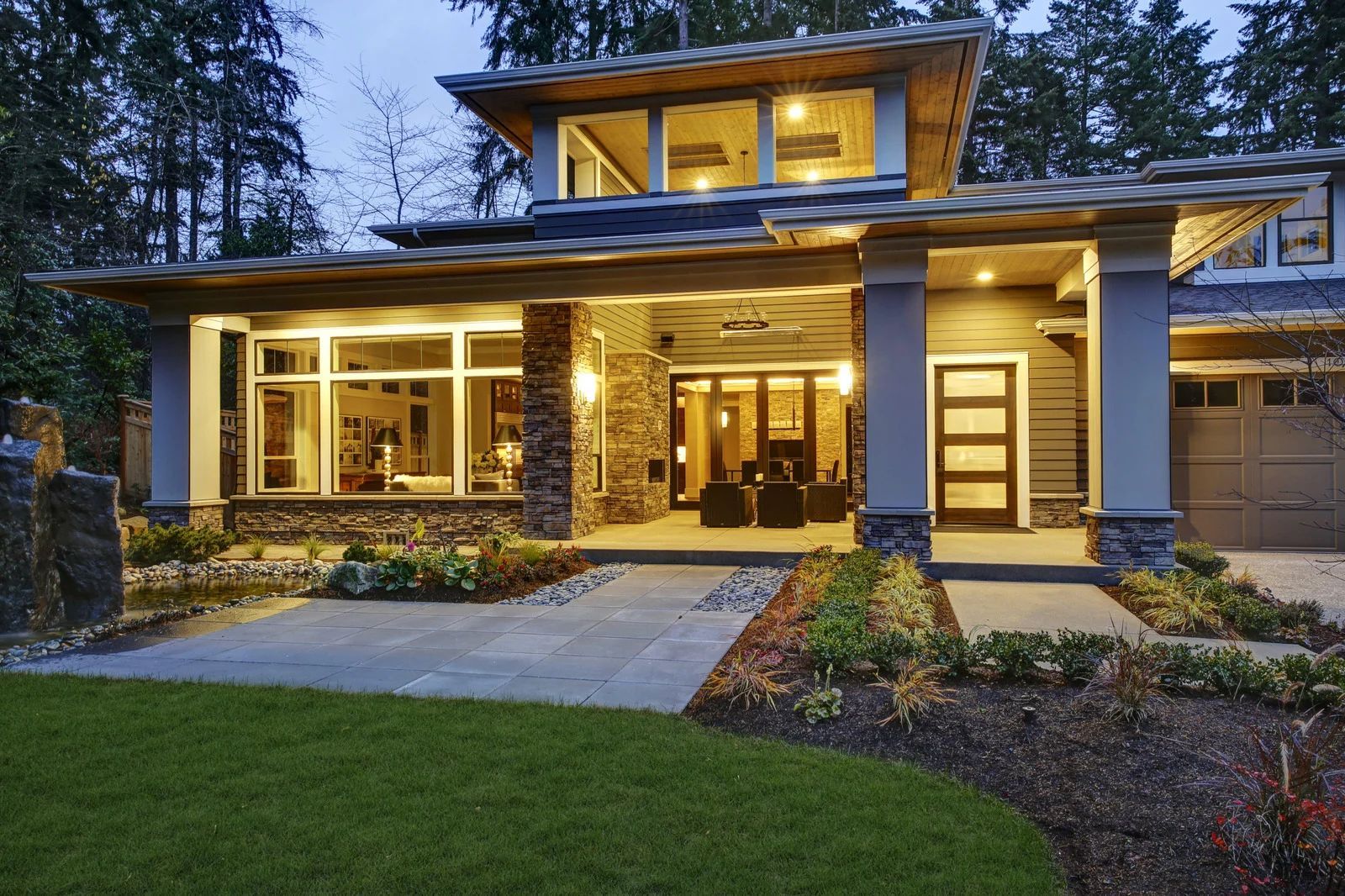
Modern home with stone and wood accents, porch, and landscaping.
September 23, 2025
Building a custom home is a rare opportunity to create a space that reflects your personality, meets your lifestyle needs, and anticipates future changes. With the freedom to shape every detail, it’s essential to thoughtfully consider the features that will enhance comfort, functionality, and long-term value.
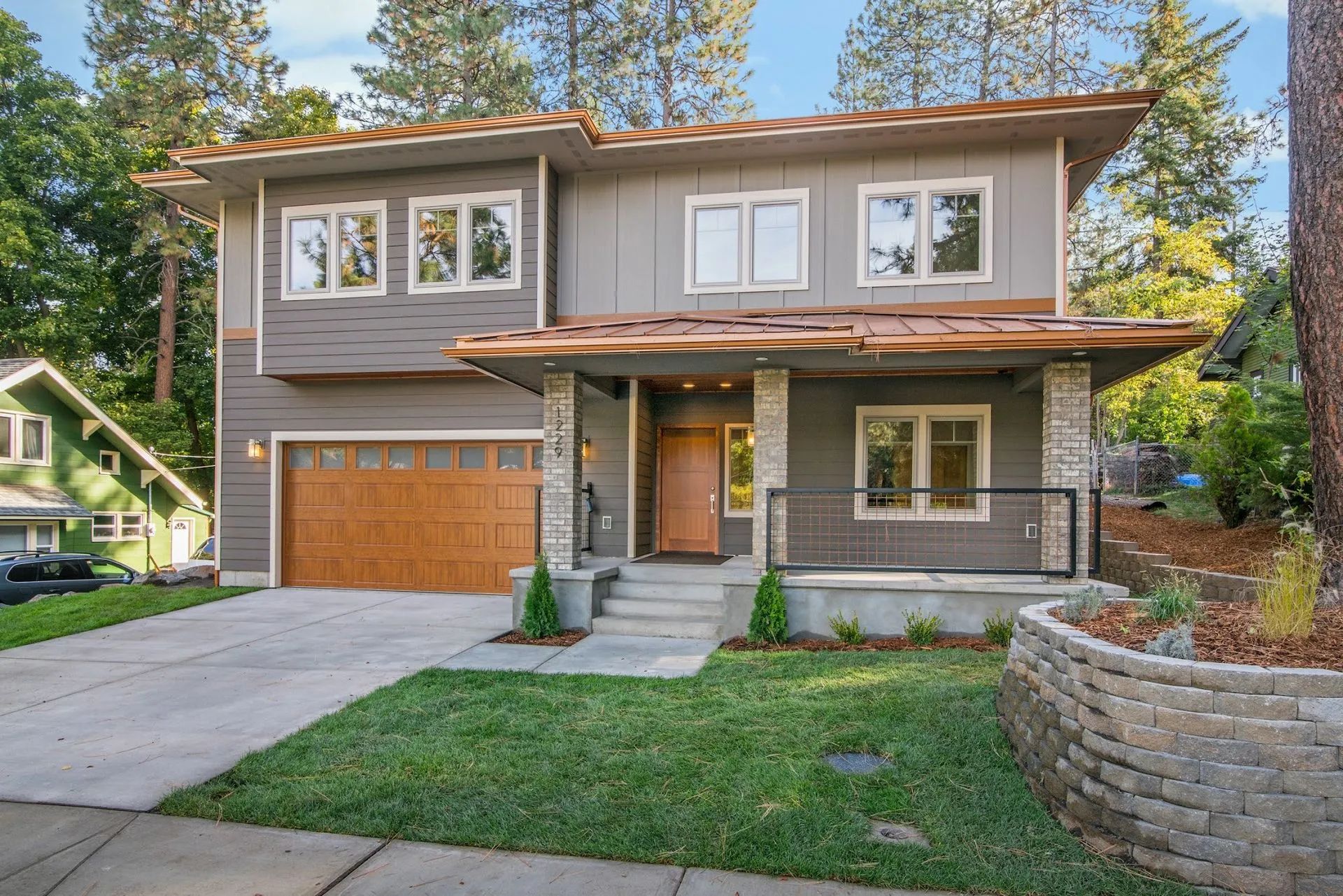
Two-story gray house with wooden garage door and porch, front yard with grass.
August 27, 2025
Building a custom home is one of the most exciting and rewarding journeys a homeowner can take. It’s the opportunity to shape your living space exactly the way you envision it—reflecting your lifestyle, personality, and long-term goals. But to make this dream a success, careful planning is essential.