
New Home Build Timeline: What to Expect at Every Stage

February 19, 2026

Building a new home is an exciting milestone, but it’s also a complex process that requires careful planning, coordination, and patience. Understanding what to expect at every stage of construction can help homeowners navigate the journey with confidence, reduce stress, and make informed decisions that protect both time and budget. From the initial site preparation to the final walk-through, each phase of a new home build has distinct tasks, challenges, and opportunities that impact the overall outcome. Knowing the timeline ahead of time allows homeowners to set realistic expectations and collaborate effectively with builders, designers, and contractors.


Whether you’re a first-time homebuyer or a seasoned property investor, familiarizing yourself with a typical home construction timeline can prevent surprises and ensure a smoother building experience. While no two projects are exactly the same, there are common stages that most builds follow. This guide provides a comprehensive look at these stages, offering actionable insights, expert reasoning, and practical tips to help homeowners prepare for each phase. By understanding the process, you can confidently oversee your project and make your dream home a reality.

1. Planning and Pre-Construction Phase

  • Site Selection and Feasibility:- Before a single brick is laid, selecting the right site is crucial. Consider factors such as location, proximity to schools or workplaces, zoning regulations, and soil quality. A thorough feasibility study ensures the land is suitable for construction and helps avoid future structural or legal complications. Engaging a professional surveyor can provide valuable insights into site boundaries, drainage, and topography.


  • Budgeting and Financing:- Setting a realistic budget early on is vital for a successful home build. Factor in land costs, design fees, permits, construction materials, labor, and contingency reserves. Exploring financing options, such as construction loans or mortgage pre-approval, ensures that funding is in place and prevents delays during construction.


  • Designing Your Home:- Architects and designers play a pivotal role in translating your vision into detailed blueprints. During this stage, homeowners decide on layout, style, materials, and energy-efficient features. Collaborative design ensures that the plans meet both functional and aesthetic goals. Virtual walkthroughs and 3D models can help visualize the final outcome and prevent costly modifications later.


  • Permitting and Approvals:- Acquiring necessary permits is mandatory before construction begins. These approvals vary by municipality and may include building permits, environmental clearances, and zoning variances. Working closely with local authorities and your builder ensures a smooth approval process and helps avoid legal or regulatory issues.

2. Site Preparation and Foundation Work

  • Clearing and Excavation

    Once permits are secured, the construction site is prepared. This involves clearing vegetation, leveling the land, and performing excavation work. Proper site preparation minimizes erosion, ensures proper drainage, and sets the stage for a stable foundation. Heavy machinery, such as bulldozers and excavators, is typically used to handle large-scale clearing efficiently.

  • Foundation Planning

    The foundation is one of the most critical components of any home build. Depending on soil conditions and design preferences, options may include slab-on-grade, crawlspace, or basement foundations. Each type requires specific engineering considerations to prevent settling, cracking, or water intrusion. A structural engineer’s assessment ensures the foundation is strong enough to support the entire structure.

  • Laying the Foundation

    After excavation and grading, the foundation is poured or constructed according to the approved plans. Concrete slab foundations are poured and cured, while basement foundations involve more extensive formwork and waterproofing. During this stage, plumbing and electrical conduits may also be installed within the foundation area, preparing the home for future utility connections.

  • Inspections

    Local building inspectors typically review the foundation before construction continues. Passing inspections at this stage is critical to ensure structural integrity and compliance with building codes. Any issues identified must be addressed before framing begins, avoiding costly rework later.

3. Framing and Structural Build-Out

  • Framing the Skeleton:- Framing transforms architectural plans into a visible structure. This includes constructing the walls, floors, roof trusses, and support beams. Skilled carpenters ensure that framing is accurate, level, and square, which is essential for proper installation of doors, windows, and interior finishes.


  • Sheathing and Exterior Walls:- After framing, sheathing is applied to walls and roof surfaces to provide structural stability and weather resistance. Exterior walls are prepared for siding, brickwork, or stucco, and vapor barriers or insulation are installed to enhance energy efficiency. Proper installation at this stage prevents moisture infiltration and long-term damage.


  • Roof Installation:- Installing the roof protects the interior from weather exposure. Depending on design, roofing materials may include asphalt shingles, metal panels, or tile. A properly installed roof not only ensures safety but also contributes to energy efficiency and curb appeal.


  • Rough Plumbing, Electrical, and HVAC:- While framing is in progress or just completed, contractors begin roughing in plumbing, electrical wiring, and HVAC systems. These installations require precision to ensure proper functionality and compliance with code. Coordinating trades during this phase helps maintain an efficient timeline and reduces conflicts between different systems.

4. Exterior Finishes and Interior Systems

  • Windows, Doors, and Exterior Cladding

    Once the structural frame and rough systems are in place, windows and doors are installed. Exterior cladding—siding, brick, or stucco—is applied to protect the home from the elements and enhance aesthetics. Proper sealing around openings prevents drafts and water leaks.

  • Insulation and Drywall

    Insulation is installed in walls, ceilings, and floors to improve energy efficiency, soundproofing, and comfort. After insulation, drywall is hung, taped, and finished. This stage sets the foundation for interior painting, flooring, and cabinetry. Properly finished drywall ensures smooth, even surfaces for final aesthetic touches.

  • Interior Systems Completion

    Plumbing fixtures, electrical outlets, and HVAC systems are finalized at this stage. This includes installing lighting, water heaters, and ventilation components. Proper testing and calibration are essential to ensure safety, efficiency, and functionality.

  • Flooring, Cabinetry, and Trim

    Hardwood, tile, or carpet flooring is installed according to the design plan. Kitchen and bathroom cabinetry is fitted, and interior trim such as baseboards, crown molding, and doors are completed. Attention to detail in these finishes elevates the overall quality and appeal of the home.

5. Final Touches and Inspections

  • Painting and Wall Finishes:- Interior painting, wallpapering, or other wall finishes are applied. High-quality painting and finishing improve aesthetics, protect surfaces, and provide a polished look. Coordinating paint colors with flooring, cabinetry, and fixtures ensures design consistency throughout the home.


  • Fixtures and Appliances:- Final installation of light fixtures, plumbing fixtures, and built-in appliances occurs during this stage. Homeowners may select energy-efficient appliances, smart home features, or customized hardware to enhance convenience and sustainability. Ensuring these items are properly installed and functional is essential for a smooth move-in.


  • Landscaping and Exterior Enhancements:- Landscaping, driveways, patios, and exterior lighting complete the exterior of the home. Thoughtful design can increase curb appeal, improve outdoor living spaces, and contribute to property value. Coordinating landscaping with grading and drainage plans helps prevent erosion and water pooling.


  • Final Inspections and Certificate of Occupancy:- Before moving in, the home undergoes final inspections to ensure all systems, safety features, and construction standards are met. Passing inspection results in the issuance of a certificate of occupancy, legally permitting habitation. Addressing any final punch-list items ensures the home is ready for immediate, comfortable living.

6. Moving In and Maintenance Planning

  • Preparing for Move-In

    Once the certificate of occupancy is obtained, homeowners can schedule moving logistics, utilities, and essential services. It’s advisable to perform a final walkthrough to verify that all contracted work is complete and functional.

  • Establishing a Maintenance Routine

    New homes require routine maintenance to preserve structural integrity and system efficiency. Regular inspections of HVAC systems, plumbing, roofing, and exterior surfaces prevent long-term damage. Establishing a maintenance plan ensures the home remains safe, comfortable, and retains its value over time.

  • Homeowner Orientation

    Many builders provide homeowner orientation, offering guidance on operating systems, warranty coverage, and care instructions. Understanding these aspects enhances safety, efficiency, and satisfaction with the new home.


    Building a new home is a multi-stage process that demands careful planning, coordination, and attention to detail. From pre-construction planning and site preparation to structural framing, interior finishes, and final inspections, every stage plays a crucial role in creating a safe, functional, and aesthetically pleasing home. Understanding the typical timeline allows homeowners to anticipate challenges, communicate effectively with contractors, and make informed decisions that align with both budget and vision. By breaking down each phase into actionable steps, homeowners can maintain control of the project while minimizing stress and ensuring a smoother construction experience.

Copper River Homes: Trusted Experts in New Home Builds

For homeowners in Spokane, Washington, seeking a reliable partner for their new home projectCopper River Homes brings over 15 years of experience in the industry. Our team specializes in guiding clients through every stage of the construction process, providing expert insight, transparent communication, and exceptional craftsmanship. From the initial planning and design consultation to the final walkthrough and move-in, we prioritize precision, quality, and homeowner satisfaction. We understand that building a home is more than just construction—it’s about creating a space that reflects your lifestyle, preferences, and long-term investment. Our experienced professionals work closely with each client, offering personalized solutions, innovative designs, and practical advice to ensure the final result exceeds expectations. With Copper River Homes, homeowners can confidently embark on their new home journey knowing that every stage will be managed with expertise, professionalism, and care. Choosing a trusted builder with a proven track record ensures that your dream home is delivered on time, within budget, and with lasting quality.

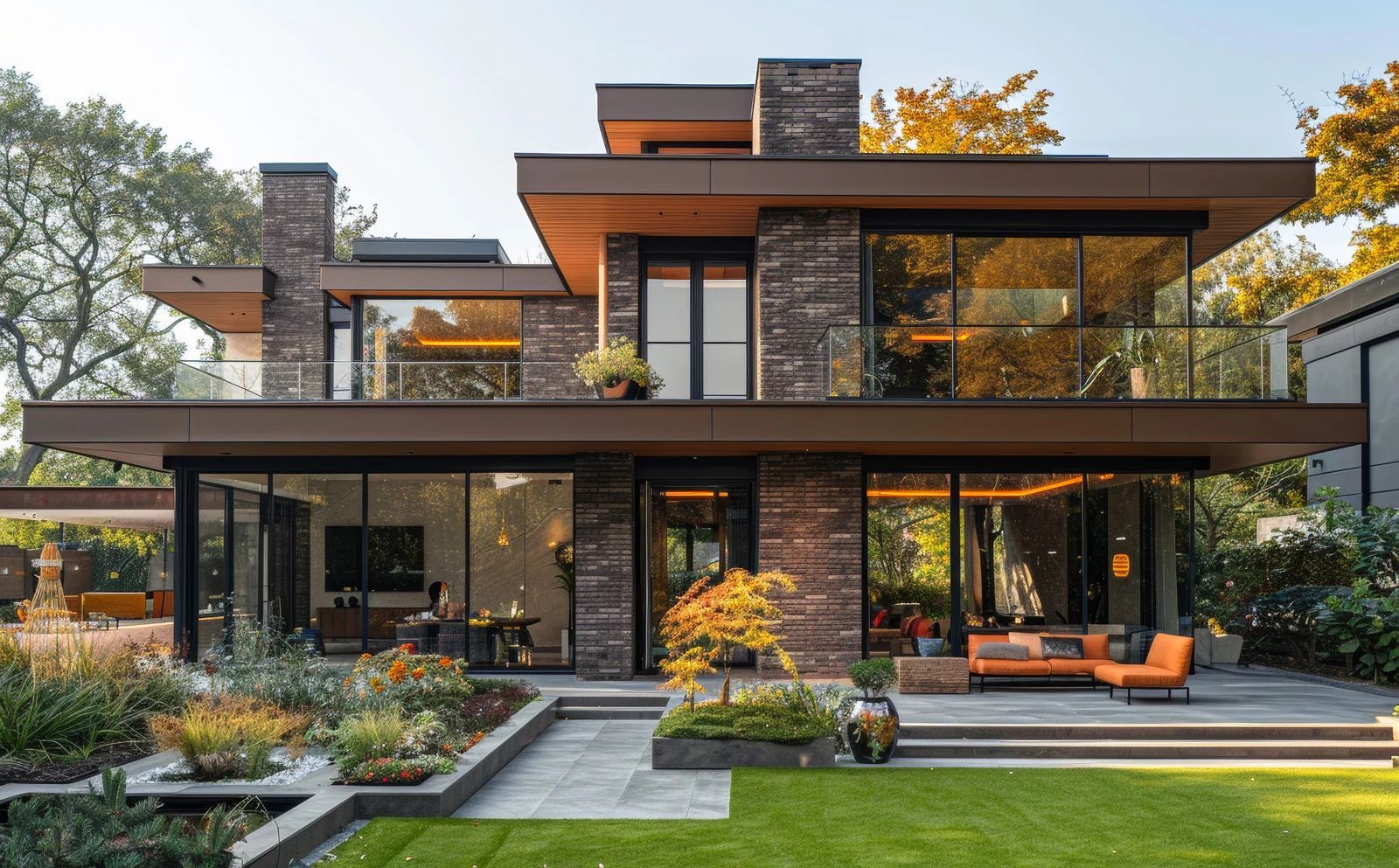
Modern two-story house with glass walls, brown accents, and a landscaped yard with green grass and a patio.
January 16, 2026
Designing a new home is an exciting journey, filled with possibilities and opportunities to reflect your personality, lifestyle, and aspirations. In today’s dynamic housing market, homeowners are increasingly seeking designs that combine aesthetics, functionality,

Mountain home in snow; large windows with snowy peaks in background.
December 22, 2025
Designing a new home is one of the most significant investments you will make in your lifetime, both financially and emotionally. The process goes beyond choosing paint colors or flooring materials; it requires careful planning, strategic decision-making, and thoughtful consideration of long-term lifestyle needs.
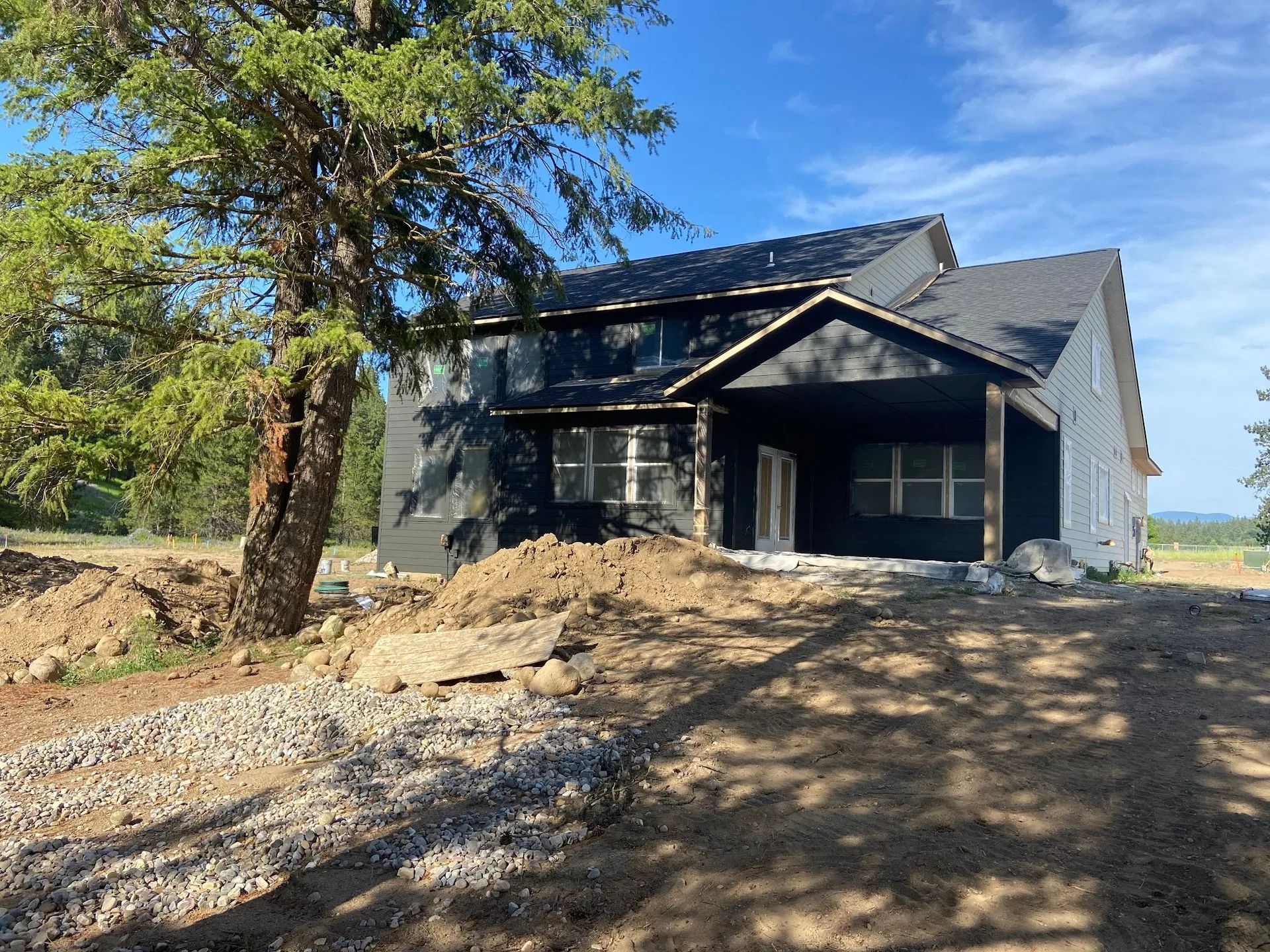
New two-story house under construction with black siding, porch, and a gravel driveway.
November 29, 2025
Building a custom home is one of the most exciting milestones for any homeowner, offering a chance to design a space that reflects personal taste, lifestyle, and long-term goals. However, the process is rarely simple.
Purple bungalow with white trim, a concrete driveway, and a landscaped front yard on a sunny day.
October 16, 2025
When it comes to finding your dream home, the choice between a custom build and a pre-built house can shape your lifestyle for years to come. While pre-built homes offer convenience, custom homes open the door to personalization, innovation, and a long-term investment that truly reflects your vision.
Modern home with stone and wood accents, porch, and landscaping.
September 23, 2025
Building a custom home is a rare opportunity to create a space that reflects your personality, meets your lifestyle needs, and anticipates future changes. With the freedom to shape every detail, it’s essential to thoughtfully consider the features that will enhance comfort, functionality, and long-term value.
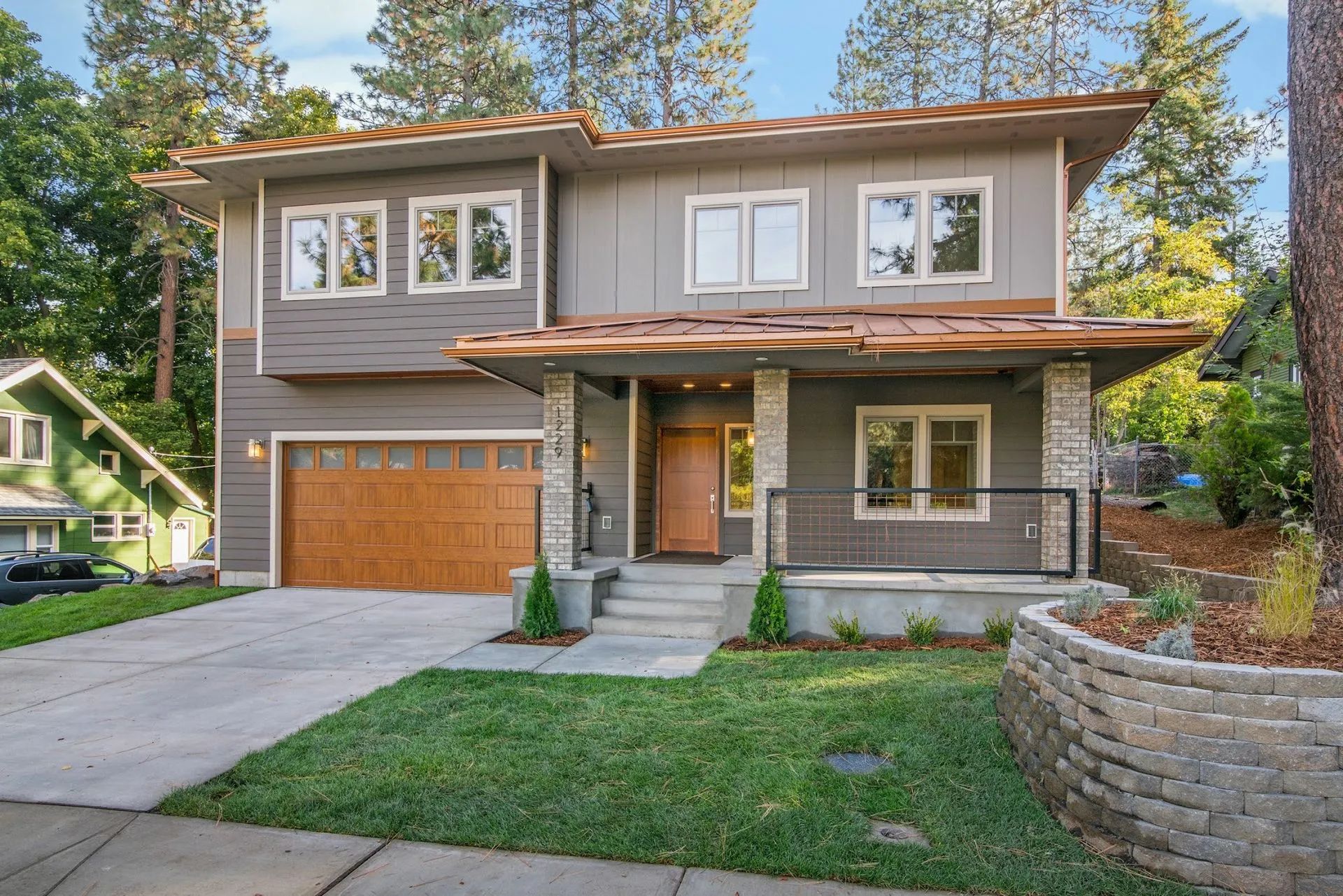
Two-story gray house with wooden garage door and porch, front yard with grass.
August 27, 2025
Building a custom home is one of the most exciting and rewarding journeys a homeowner can take. It’s the opportunity to shape your living space exactly the way you envision it—reflecting your lifestyle, personality, and long-term goals. But to make this dream a success, careful planning is essential.